Introduction
For people who enjoy practical, hands-on work and visible results, usa skilled trades jobs offer a wide range of careers that keep buildings, infrastructure, and equipment running. Electricians, plumbers, heating and cooling technicians, carpenters, welders, masons, painters, and heavy equipment operators all belong to this broad group, along with many specialist trades. This guide explains the main trades, how people usually enter them, how licensing works, and what to consider before choosing this path. Skilled trades work is found in every part of the country, because homes, schools, hospitals, offices, factories, roads, and utilities all need building, maintenance, and repair. That does not mean every trade is equally available everywhere. Local construction activity, climate, building age, and industry mix all affect which trades are busiest in a given area, so local research matters as much as national trends.
The main trades at a glance
Electrical work covers installing, maintaining, and repairing electrical systems in homes, commercial buildings, and industrial sites. Electricians read plans, run wiring, install panels and fixtures, test systems, and troubleshoot faults. The work requires careful attention to safety codes, because mistakes can cause fire or injury. Plumbing covers water supply, drainage, gas piping in some jurisdictions, and fixtures such as sinks, toilets, and water heaters. Plumbers install new systems, repair leaks and blockages, and maintain equipment. Heating, ventilation, and air conditioning, usually shortened to HVAC, covers installing and servicing heating, cooling, and ventilation systems, including refrigeration in some specialisms. These three trades are often grouped together because they all involve building systems, codes, and inspections, but each has its own training and licensing. Carpentry covers framing, finishing, cabinetry, and formwork, depending on specialism. Welding joins metal parts for construction, manufacturing, shipbuilding, and repair work, and includes different processes and materials. Masonry, painting, drywall, roofing, and flooring are further trades, each with its own tools, materials, and techniques. Heavy equipment operation, including cranes, excavators, and bulldozers, is another distinct path, usually requiring specific equipment training and certification.
How people enter the trades
The most common entry route into usa skilled trades jobs is an apprenticeship. An apprenticeship combines paid work under experienced tradespeople with classroom instruction in theory, codes, mathematics, and safety. Apprenticeships typically last several years, with pay and responsibility increasing as skills develop. They are offered by trade unions, trade associations, employers, and community colleges, depending on the trade and region. Other routes include vocational or technical school programmes, which teach trade skills in a classroom and workshop setting, followed by work experience. Some people start as helpers or labourers, learn on the job, and later enter a formal apprenticeship or training programme. Whichever route you take, hands-on practice under supervision is essential. Trade skills cannot be learned from books alone, and employers look for evidence of supervised, practical experience. Before choosing a programme, check whether it is recognised in your state, what it costs, how long it lasts, and whether it leads to a recognised credential or licence. Ask about completion rates and about support for finding apprenticeship placements, but treat any promise of guaranteed employment with caution. Legitimate programmes describe their training; they do not guarantee a job.
Licensing and certification
Licensing in the trades varies by state and sometimes by city or county. Some trades, such as electrical and plumbing work, are licensed in many states, with journeyman and master levels that reflect experience and examination results. Other trades rely more on voluntary certification, employer requirements, or union standards. Because rules differ, a licence or credential earned in one place may not automatically be recognised elsewhere. Check the requirements of the state and local authority where you plan to work before starting training. The relevant licensing board, state labour department, or trade association usually publishes the requirements, including required hours of experience, examinations, and renewal rules. Keep records of your training hours, work experience, and examinations, because these records are often needed when applying for a licence or moving to a new jurisdiction. Safety certification is also important. Many construction sites require safety training, and some employers require specific safety cards or equipment certifications. These requirements protect workers and the public, and they are worth completing through recognised providers rather than through unofficial shortcuts.
Daily work and working conditions
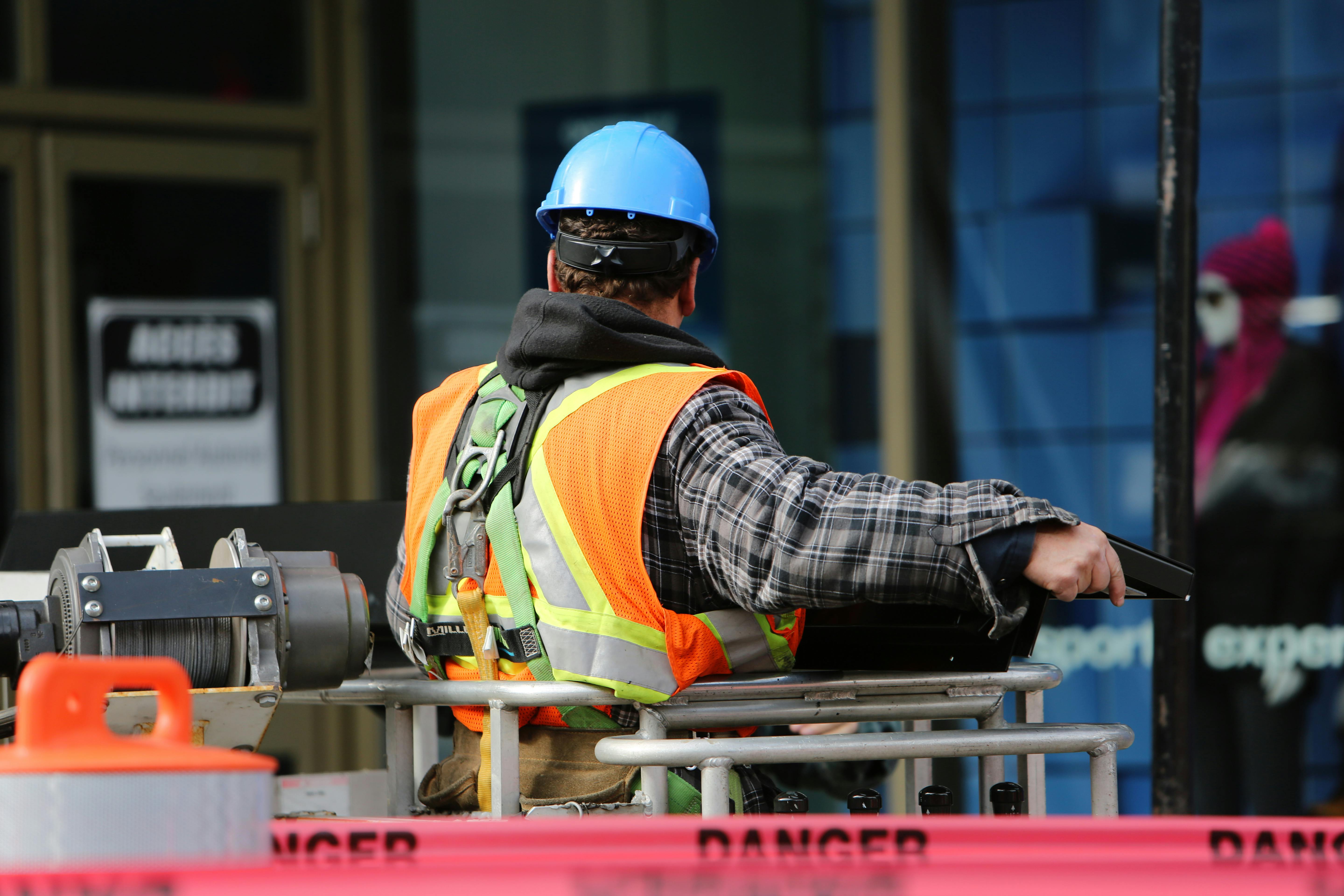
Trades work is physical and practical. It often involves standing, lifting, climbing, working outdoors or in confined spaces, and using power tools and heavy materials. Weather affects outdoor trades, and some projects involve early starts, overtime, or travel between sites. These conditions suit people who enjoy active work and varied locations, but they can be demanding over a long career, so good technique, protective equipment, and attention to safety are essential. Safety deserves emphasis in any discussion of usa skilled trades jobs. Tradespeople work with electricity, gas, heights, heavy loads, and hazardous materials, and following safety procedures is not optional. Employers are expected to provide training and protective equipment, and workers are expected to follow procedures, report hazards, and stop work when conditions are unsafe. Anyone considering a trade should be comfortable with this safety culture and willing to learn it thoroughly.
Pay, stability, and career growth
Pay in the trades varies by trade, location, experience, licence level, and whether work is union or non-union, residential or commercial. This guide does not quote pay figures, because general figures can mislead. The reliable way to understand pay is to check official wage data for your area and to look at real postings and offers from employers in your region, bearing in mind that hours and overtime also affect earnings. Career growth in the trades often follows a clear path: helper or apprentice, journeyman, and then master, supervisor, estimator, inspector, instructor, or business owner. Additional certifications, such as specialisms in renewable energy systems, automation, or advanced welding processes, can open new kinds of work. Keeping skills current matters, because codes, materials, and technologies change over time.
How to get started
A practical first step is to research the trades available near you and the apprenticeship programmes that serve your area. State apprenticeship agencies, community colleges, and trade associations can provide lists of programmes and application windows. Visiting a training centre, speaking to working tradespeople, or trying a short introductory course can help you judge whether you enjoy the work before committing to a multi-year apprenticeship. When you apply, highlight any relevant experience, including school workshop courses, personal projects, labouring work, or military training, and be ready to show reliability and willingness to learn. Apprenticeship selection often values attitude, safety awareness, and basic mathematics as much as prior trade experience, so present yourself honestly and completely.
Conclusion
USA skilled trades jobs offer practical, respected careers that are needed in every community, but they require proper training, licensing where applicable, and a strong commitment to safety. By researching local apprenticeship routes, checking licensing requirements in your state, and gaining hands-on experience under supervision, you can choose a trade that fits your interests and build a career step by step, from apprentice to experienced tradesperson and beyond. This is a general information guide, not a job offer or legal advice.