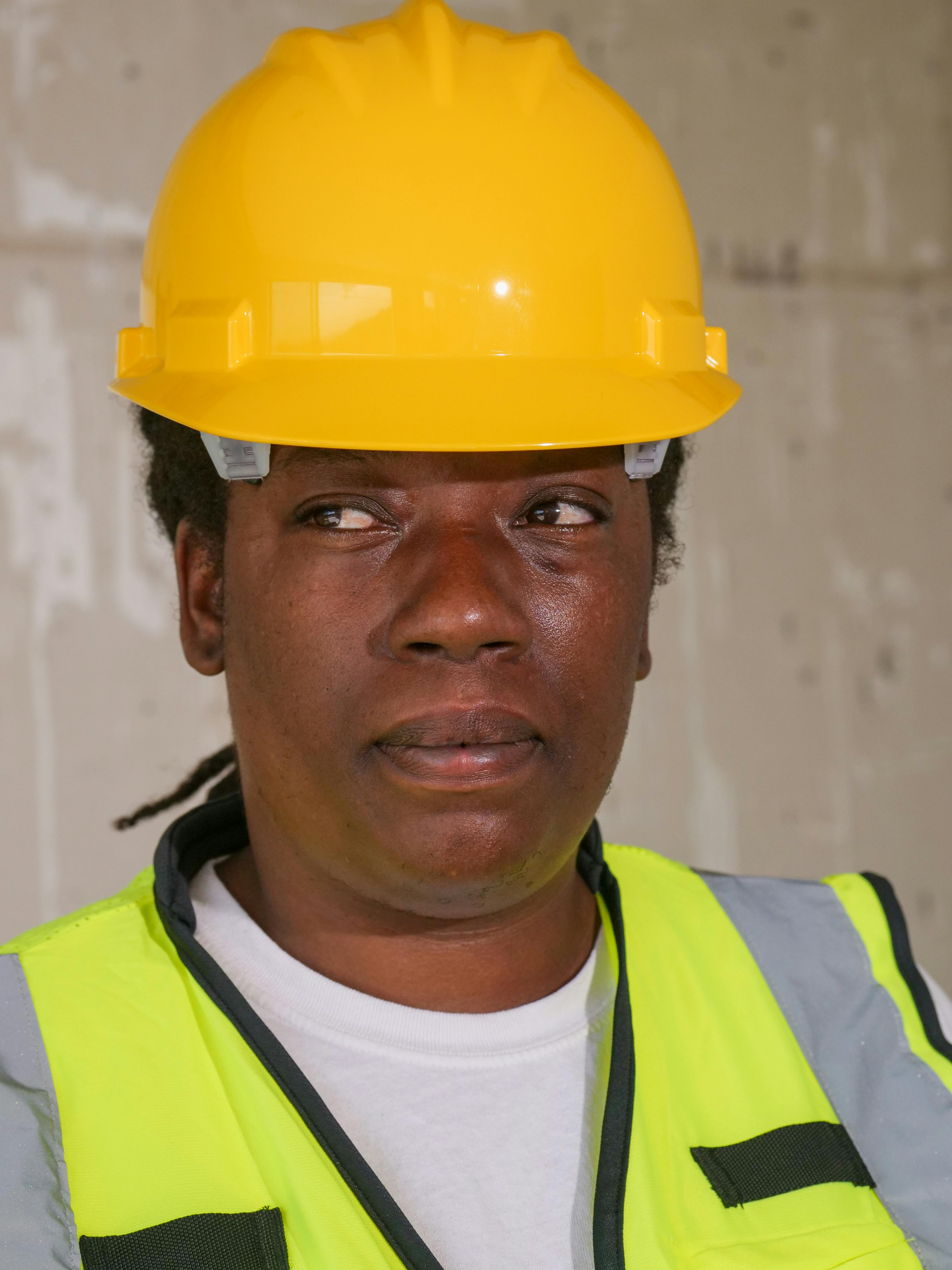
Switzerland has a high-skill, multilingual labour market, with Zurich strong in finance, technology, and professional services, Geneva in international organisations, finance, and trade, Basel in pharmaceuticals and life sciences, and Bern, Lausanne, and other cities offering roles in administration, research, health care, and manufacturing. The country is organised into cantons, and local conditions, including language, can differ from one region to another. That regional variety is one of the first things to understand when searching for jobs in Switzerland, because the right city often depends as much on language as on sector.
Sectors that regularly hire
Finance and insurance, pharmaceuticals and life sciences, technology and engineering, precision manufacturing, health care, hospitality and tourism, and international organisations all recruit regularly. Skilled trades, construction, and logistics also offer opportunities, while research institutions and universities hire specialists across many fields. Many roles require a high level of qualification or specialist experience, and competition for well-known employers can be strong. Language is a central factor. German is the main working language in much of the country, French in the west, and Italian in the south, while English is common in international companies, finance, and research. Check the language of each advertisement carefully, and be realistic about whether your language skills match the role, including for everyday communication with colleagues and clients.
Where to search
Official cantonal employment offices and the national public employment service provide guidance and listings, and they are a sensible starting point, particularly for roles in public administration and health care. Large employers advertise on their own careers pages, and commercial job boards and professional networking sites are widely used in Switzerland, especially for professional and international roles. Recruitment agencies are also active, particularly in finance, technology, and life sciences, but no legitimate agency should charge you to apply or to be considered for a role. Keep your search organised, note closing dates, and verify any employer that contacts you unexpectedly. Be cautious about postings that ask for fees, banking details, or identity documents before an interview.
Work permission in general terms
Citizens of the European Union and the wider European Economic Area can generally work in Switzerland under the relevant bilateral arrangements, subject to registration requirements. Other nationals usually need a work and residence permit, often linked to a specific employer and subject to conditions that vary by canton and occupation. Because the system is detailed and partly cantonal, confirm the rules for your situation on the official Swiss government migration pages or through the cantonal migration office for your target region before making firm plans. Employers who regularly hire internationally will be familiar with the process, but timelines can be long, so discuss work permission early and keep your documents in order.
Swiss CVs and applications
Swiss applications are known for being thorough and well structured. A CV is usually one or two pages, presented in reverse chronological order, covering education, work experience, further training, languages with honest levels, and technical skills. A professional photograph was traditionally common in Switzerland, although many employers now accept applications without one, and personal details such as date of birth and marital status are increasingly left out. When in doubt, follow the instructions in the advertisement. A cover letter should be concise, tailored, and written in the language of the advertisement. It should explain why you are applying, what qualifies you, and what interests you about the employer. Attach certificates, diplomas, and references when requested, as a single organised file. For regulated professions, including many health roles, check whether your foreign qualification must be recognised in Switzerland, and start that process early.
Interviews and workplace culture
Swiss interviews tend to be formal, structured, and detail-oriented. Expect questions about your qualifications, your previous roles, and your motivation, as well as careful questions about your language skills and your reasons for wanting to work in Switzerland. Prepare thoroughly, research the employer, and be ready to discuss your experience with specific examples. Punctuality is essential, dress should be smart and appropriate to the sector, and a calm, precise manner is valued. Workplace culture in Switzerland emphasises reliability, quality, and respect for rules and working hours. Communication is often direct in German-speaking regions and more formal in French-speaking ones, but professionalism is expected everywhere. Learning the local language, even to a basic level, is a strong signal of commitment and helps greatly in daily life.
A careful, steady approach
Switzerland rewards careful preparation. Choose your target cantons and languages, research recognition requirements, prepare a polished application in the right language, and apply to roles that genuinely fit your profile. Read any contract carefully before signing, keep copies of all documents, and seek official guidance if anything is unclear. With patience and attention to detail, jobs in Switzerland can offer high-quality, long-term opportunities for well-prepared applicants.
This is a general information guide, not a job offer or legal advice.