Introduction
Almost everything you buy has passed through a chain of warehouses, vehicles and delivery networks. In the UK, logistics and warehousing is a major employer, keeping shops stocked, factories supplied and online orders moving. The work ranges from picking and packing parcels to driving lorries, managing stock and planning complex supply chains. This guide explains uk logistics and warehouse jobs in general terms: the main roles, the skills and licences involved, the shift patterns to expect, and how careers develop. It is a guide only, not a vacancy list, and it does not promise that any particular role is available.
Warehouse Operative Roles
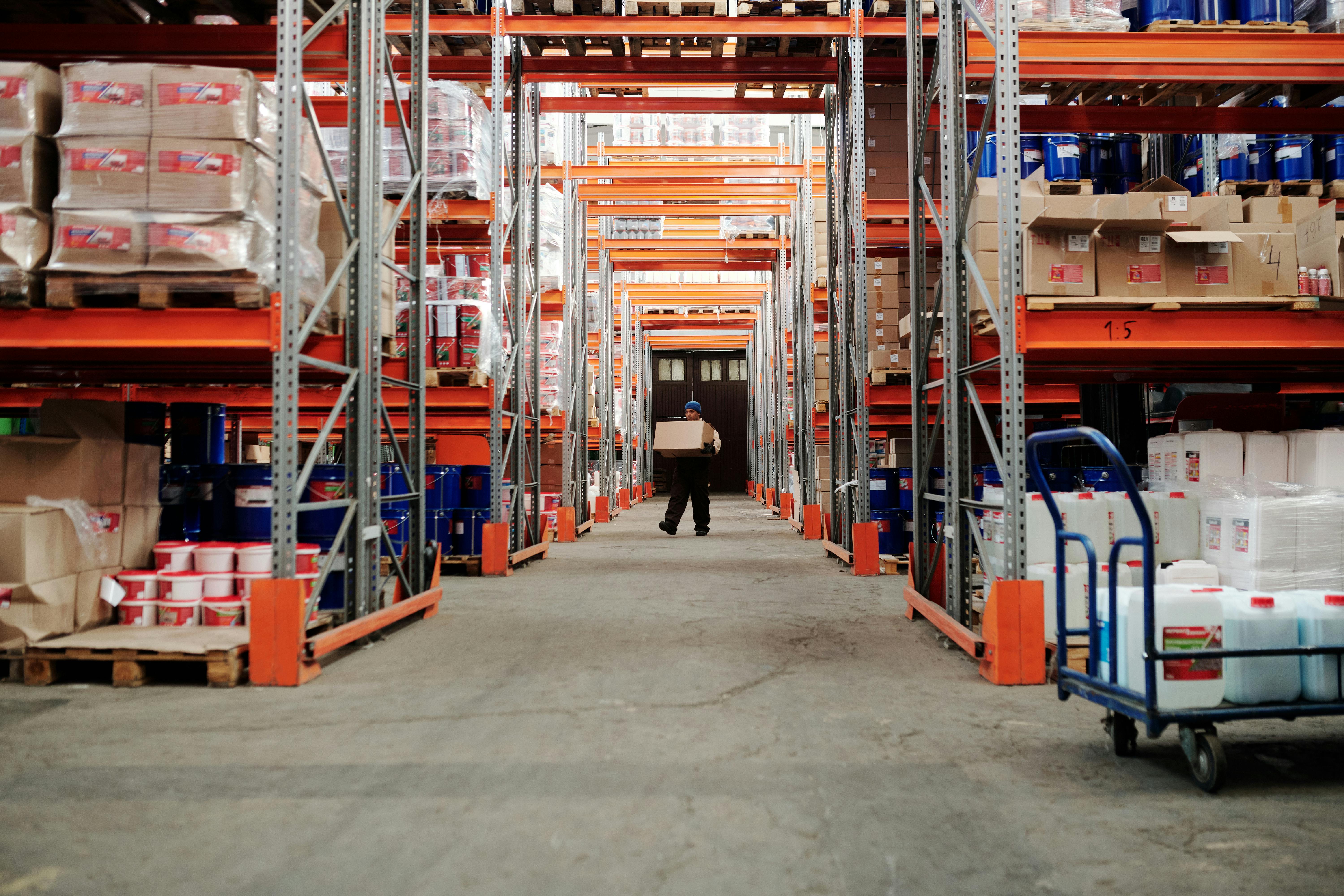
Warehouse operatives are the core workforce of distribution centres. Pickers collect items from shelves to fulfil orders. Packers prepare goods for dispatch, checking items and packing them securely. Goods-in staff receive deliveries, check them against paperwork and put stock away. Despatch teams load vehicles and complete shipping documentation. The work is physical and fast-paced. It involves standing and walking for long periods, lifting and moving goods, and working to targets for speed and accuracy. Employers value reliability, attention to detail and the ability to follow safety procedures. Many roles require no formal qualifications, and training is usually provided on the job.
Forklift and Plant Roles
Larger warehouses use forklifts and other handling equipment to move pallets and heavy goods. Forklift drivers need specific licences for the type of truck they operate, and employers check these carefully. The work is safety-critical: drivers work near pedestrians and racking, so concentration and a careful attitude are essential. Forklift training is offered by many providers, and a licence can improve your prospects considerably. Some employers train existing staff rather than recruiting licensed drivers, so a warehouse operative role can be a route into licensed plant work.
Driving Roles
Drivers move goods between warehouses, shops and customers. Van drivers handle local deliveries, often with many drops in a day. Lorry drivers cover longer routes and need the correct licence category for the size of vehicle, plus a driver qualification card for professional driving. Some drivers work fixed routes, while others cover varied destinations. Driving roles demand a clean driving record, good time management and the ability to work independently. Hours can be long, and early starts are common. Drivers should also understand rules on driving hours and rest breaks, which exist to keep everyone safe on the road.
Supervisory and Supply Chain Roles
Warehouses and logistics operations also need supervisors, team leaders and managers who plan rotas, monitor performance and solve problems. Inventory controllers track stock levels and investigate discrepancies. Transport planners schedule vehicles and routes. Supply chain coordinators manage the flow of goods from suppliers to customers, balancing cost, speed and reliability. These roles usually require experience in warehouse or transport work, combined with organisational skills and often computer literacy for stock and routing systems. Progression from operative to supervisor is common for people who show reliability and leadership.
Skills and Qualifications
For entry-level warehouse work, formal qualifications are rarely required. What matters most is reliability, physical fitness for the role, basic numeracy and literacy, and a willingness to follow procedures. For driving roles, the correct licence is essential and non-negotiable. Additional qualifications can help progression: forklift licences, health and safety training, and qualifications in warehousing or supply chain management. Computer skills matter more as warehouses become automated, with scanners, warehouse management systems and data tools now part of daily work.
Shifts and Working Conditions
Logistics operates around the clock. Many warehouses run day, evening and night shifts, and weekend working is common. Some employers offer fixed shifts, while others rotate them. Seasonal peaks, particularly around major shopping periods, can bring overtime and temporary roles. The work is physical and can be repetitive, and warehouses can be cold or noisy. Safety procedures, protective equipment and proper manual-handling training are important, and a good employer will provide them. Before accepting a role, ask about shift patterns, whether the role is permanent or temporary, and how overtime is handled.
Finding Logistics Work
Logistics jobs are advertised through job boards, agencies and employer websites. When comparing uk logistics and warehouse jobs, check shift patterns and whether each role is permanent or temporary. Agencies play a large role, especially for temporary and seasonal work, and a good record with an agency can lead to regular assignments and sometimes permanent roles. Large distribution centres often recruit in waves when opening new sites or preparing for busy periods. When applying, emphasise reliability, any relevant licences, and experience with warehouse systems or driving. Be honest about shift availability, since rotas depend on it. If you are applying from outside the UK, check the official guidance on gov.uk about the right to work and any licence or visa conditions that apply to you.
Career Progression
Logistics offers practical progression. An operative can train as a forklift driver, move into a team leader role, and from there into supervision or management. Drivers can progress to larger vehicles or into transport planning. Supply chain roles can lead to management positions overseeing whole operations. Because the sector is so large and present in every region, experience gained in one warehouse or company often transfers to others. Building a record of reliability and picking up licences and skills along the way is the most dependable route to better-paid, more senior roles.
A Sensible Starting Point
If logistics appeals to you, consider starting with a general warehouse role to learn how operations work, then add licences or training in the direction that interests you. Visit the site if you can, ask about shifts and conditions, and be realistic about the physical demands. It is honest, essential work, and for the right person it offers steady employment and a clear path forward.
This is a general information guide, not a job offer or legal advice.