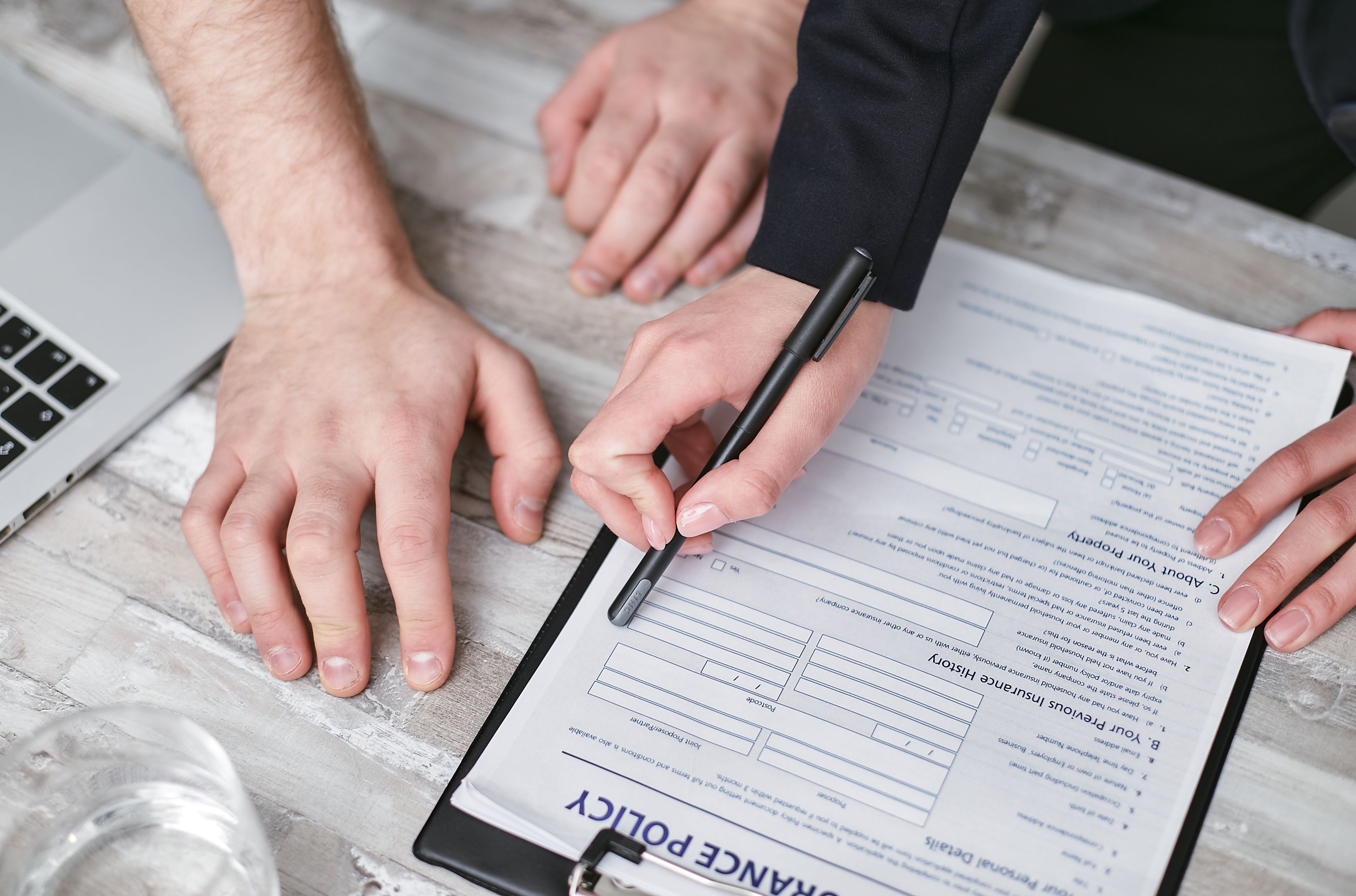
Car accident insurance claims can feel confusing, especially when you are dealing with vehicle damage, injuries, and paperwork at the same time. This guide explains, in general terms, how car accident insurance claims usually work, what each stage involves, and what you can do to keep the process organised. Procedures, cover, and timeframes vary by insurer and by location, so your own policy documents are always the best source for the rules that apply to you.
What an insurance claim is.
An insurance claim is a formal request to an insurer to consider covering a loss under a policy. After a car accident, a claim may relate to vehicle repair, medical treatment, towing, a rental vehicle, or other costs connected with the crash, depending on the cover in place. Filing a claim does not automatically mean that every cost will be covered. The insurer reviews the policy, the facts of the crash, and the supporting evidence before making a decision. There are two broad routes. You may claim through your own insurer, or you may make a claim against the other driver’s insurer if another driver was involved. In many cases, people notify their own insurer first, even when they believe the other driver was at fault, because their own insurer can explain the options and the steps that follow. Your policy may also require you to report an accident promptly, so it is wise to check that requirement early.
Reporting the accident.
The first step in most car accident insurance claims is reporting the crash. You will usually be asked for the date, time, and location of the accident, a description of what happened, the vehicles involved, and the contact and insurance details of any other drivers. If police attended, the report reference is often requested as well. Be factual and clear. Describe what you saw and experienced, and distinguish between facts you know and details you are unsure about. If you do not know an answer, say so rather than guessing. Keep a note of when you reported the crash, who you spoke with, and any reference number you were given for the claim.
The claim file and the adjuster.
Once a claim is opened, the insurer creates a claim file and usually assigns an adjuster, sometimes called a claims handler, to manage it. The adjuster is the person who gathers information, reviews evidence, communicates with the people involved, and works out what the policy covers. You may have one point of contact, or you may hear from different people for vehicle damage and for injury-related matters. The adjuster may ask for photographs of the damage, repair estimates, medical records if anyone was injured, receipts for towing or rental costs, and statements about how the crash happened. Responding promptly and completely can help keep the claim moving, and keeping copies of everything you send is a good habit. If a document is missing, tell the adjuster and ask what alternative evidence might be accepted.
How fault is reviewed.
In many car accident insurance claims, the insurer looks at how the crash happened and who was responsible. This review may draw on the police report, statements from drivers and witnesses, photographs, vehicle damage patterns, road layout, traffic signals, and any available video. The adjuster may also speak with the other driver’s insurer if another driver was involved. Fault is not always straightforward. Sometimes responsibility is clear, and sometimes it is shared or disputed. In disputed cases, additional information may be requested, and the process can take longer. Avoid discussing fault in public posts or in heated exchanges at the scene, and stick to factual descriptions when you speak with insurers. If you disagree with a decision about fault, ask for a written explanation and for details of how to challenge it.
Vehicle damage: inspection and repair.
For vehicle damage, the insurer usually arranges an inspection or asks for photographs and a repair estimate. An approved repair shop may be suggested, or you may be able to choose a repairer, depending on your policy. Ask whether the estimate covers all visible damage, what happens if further damage is found during repair, and whether replacement parts will be new, used, or aftermarket parts. Keep the written estimate, any revised estimates, and the final repair invoice. If your vehicle cannot be driven, ask about towing and storage, and keep those receipts as well. If your policy includes a rental vehicle or alternative transport while your car is being repaired, confirm the terms before you book anything, including any limits on duration or vehicle type.
Injury-related claims.
If someone was injured, the claim may also involve medical records, treatment notes, and bills. Insurers commonly review medical evidence to understand the nature of the injury, the treatment received, and how the injury relates to the crash. Keeping a complete set of medical records, including initial assessments, follow-up visits, prescriptions, and therapy notes, can make this part of the process clearer. It can also help to keep a simple personal log of symptoms, appointments, and how the injury affects daily activities and work. Write entries close to the time they happen, and keep them factual. This log is for your own records and can help you recall details later, when conversations about treatment and recovery may feel distant. Medical treatment should always come first. Do not delay care because a claim is open, and follow the advice of your medical providers. If treatment is ongoing, let the insurer know, and ask how ongoing costs should be submitted.
Communication and record-keeping.
Good records make car accident insurance claims easier to manage. Keep one folder, paper or digital, for everything connected with the claim. Useful items include the claim reference number, the police report reference, photographs, repair estimates and invoices, medical records and bills, towing and rental receipts, and a dated log of calls and messages. When you speak with an insurer, note the date, the name of the person you spoke with, and a summary of what was agreed. When you receive a letter or message, save it with the date you received it. If you are asked to send a document, send a copy and keep the original. Organised records help you answer questions quickly and spot gaps before they cause delays.
This article is general information only and is not legal advice.