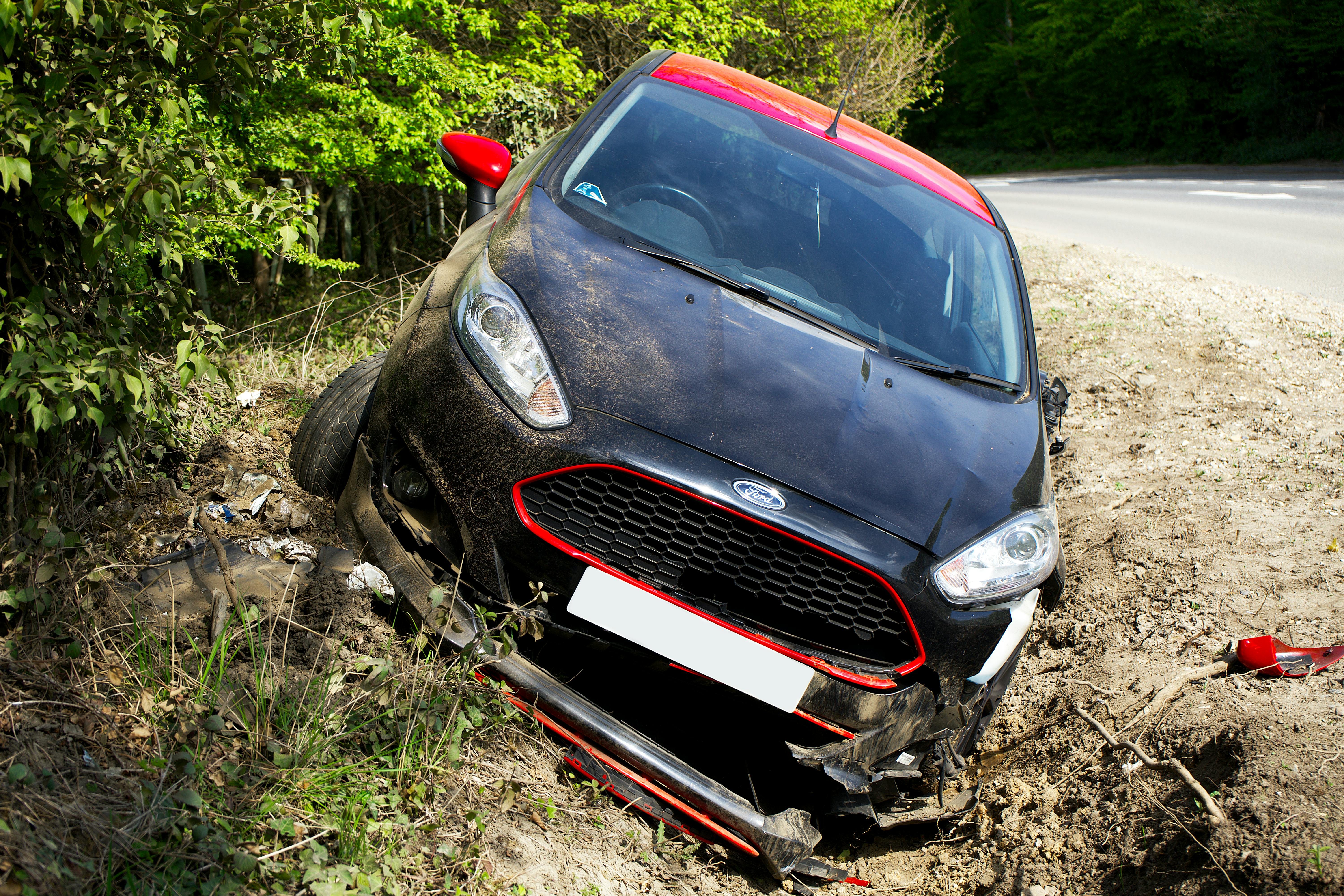
A hit-and-run accident can leave you shaken, confused, and unsure of what to do next. In a hit-and-run accident, the other driver leaves the scene without stopping to exchange information or check whether anyone needs help. That sudden absence of information makes the minutes that follow especially important, because what you notice, record, and report can shape everything that comes later, from medical care to an insurance claim.
This guide explains the general steps people commonly take after a hit-and-run accident. It is not a substitute for emergency help or professional advice, and procedures can vary by location. When safety is at stake, safety always comes first.
Stay safe first.
Your first job is to protect yourself and anyone else involved. If your vehicle can be moved safely and it is not creating a danger, move it out of traffic. If it cannot be moved, or if moving it would be unsafe, turn on your hazard lights, stay aware of passing traffic, and move to a safer spot nearby if you can do so without putting yourself at further risk. Do not chase the other vehicle, as chasing can cause a second crash. Check yourself for injuries, even if you feel fine at first. Shock and adrenaline can mask pain, and some injuries only become noticeable later. Check passengers as well, and be calm and reassuring, especially if children are present. If anyone appears hurt, call emergency services right away and do not try to move a person who may have a serious injury unless there is an immediate danger, such as fire or oncoming traffic.
Call for help and report what happened.
Call emergency services if anyone is injured, if there is significant damage, or if the scene feels unsafe. Give the dispatcher your location as clearly as you can, describe what happened in simple terms, and follow any instructions you are given. Stay on the line until you are told you can hang up. Even when injuries are not obvious, reporting the incident to police is an important step after a hit-and-run accident. A police report creates an official record of the event, including the time, place, and details you were able to observe. That record can later be useful when you speak with an insurer, a repair shop, or a medical provider. Ask how you can obtain a copy of the report or a reference number for it, and keep that information in a safe place.
Record everything you remember.
Memory fades quickly after a stressful event, so write down what you recall as soon as you can. Useful details often include the colour and general type of the other vehicle, such as whether it was a sedan, a truck, or a motorcycle, and anything distinctive about it, such as damage, a roof rack, or a broken light. If you saw even part of a licence plate, write it down exactly as you remember it, and note which part you are unsure about rather than guessing. Also record the time and location of the crash, the direction of travel, road conditions, weather, lighting, and traffic signals or signs nearby. Small details that seem unimportant at the time can later help investigators or insurers understand what happened. If your vehicle was damaged, note where the damage is and whether any parts from the other vehicle, such as paint or debris, are visible at the scene.
Take photographs and video.
If it is safe to do so, take photographs and short videos of the scene from several angles. Photograph your vehicle, the road, skid marks, debris, traffic signs, and the surrounding area. Wide shots that show the whole scene are helpful, and close-up shots can show damage more clearly. Try to include a landmark or street sign in at least one photograph so the location is clear. Photograph any visible injuries as well, if you are comfortable doing so, and keep the original files with their dates and times. Do not move evidence or debris unless you need to do so for safety. Photographs taken at the scene are often clearer and more useful than photographs taken much later, after vehicles have been moved or repaired.
Look for witnesses and cameras.
Other people may have seen more than you did. If bystanders are nearby, ask politely whether they saw what happened and whether they would be willing to share their contact details with police. Witnesses may remember the other vehicle, its direction of travel, or a licence plate that you missed. Also think about cameras that may have recorded the event. Nearby businesses, homes, traffic cameras, and dashboard cameras in other vehicles sometimes capture useful footage. You do not need to investigate this yourself, and you should not enter private property to look for cameras, but mentioning possible camera locations to police can help. Footage is often overwritten quickly, so reporting the incident promptly matters.
Seek medical attention, even for minor symptoms.
After a hit-and-run accident, it is wise to have any symptoms checked by a medical professional, even if they seem minor. Some injuries, including soft tissue injuries and head injuries, may not be obvious right away. A medical visit creates a record of your condition close in time to the crash, which can be important for your health and for any later claim. Describe what happened and all of your symptoms honestly, including symptoms that seem small. Follow the advice you are given about follow-up care, rest, and activity, and keep copies of any paperwork, discharge instructions, and receipts related to your visit.
Notify your insurer.
Contact your insurer to report the incident, following the process described in your policy documents. You will usually be asked for the date, time, and location of the crash, a description of what happened, the police report reference, photographs, and details of any damage or injuries. Be factual and stick to what you know, rather than speculating about the other driver or about fault. Ask what your policy covers in this situation, what information the insurer still needs, and what the next steps are. Keep a written record of every conversation, including the date, the name of the person you spoke with, and a summary of what was discussed. Save copies of every form you submit and every letter or message you receive.
This article is general information only and is not legal advice.